FLORIDA CRACKER
HISTORY
“The Boot”
Sit back and enjoy a brief history lesson about our great state and some of the iconic marks we use across our brand.
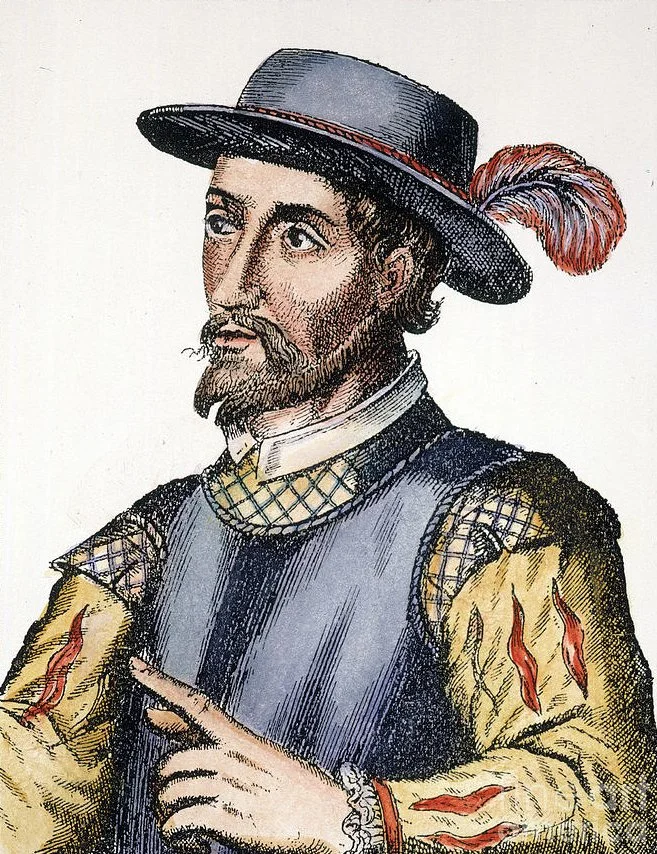
1513
In 1513, Ponce de León led the first known European expedition to La Florida, which he named during his first voyage to the area. He landed somewhere along Florida's east coast, then charted the Atlantic coast down to the Florida Keys and north along the Gulf coast; historian John R. Swanton believed that he sailed perhaps as far as Apalachee Bay on Florida's western coast. Though in popular culture he was supposedly searching for the Fountain of Youth,
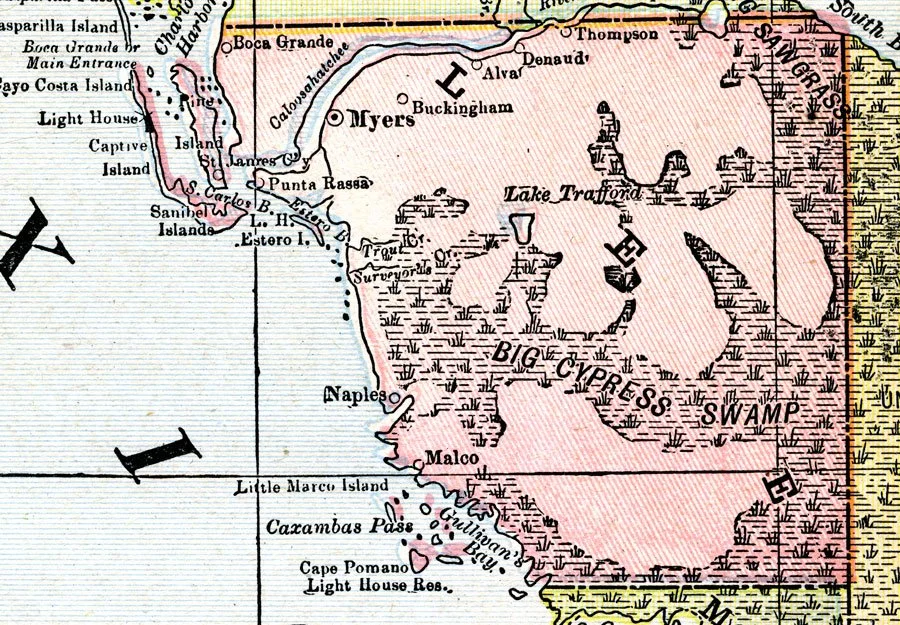
“PUNTA RASSA”
Punta Rassa has a history dating back to 1513 when Ponce De Leon first came ashore. The location was named “Punta Rassa” (Spanish for “smooth or flat point”) by the Spanish Conquistadors in the mid-16th century, who unloaded cattle in the area. It later became a cattle shipping town in the 1800’s. Florida cattle were loaded on boats docked at Punta Rassa and were then shipped to Cuba.
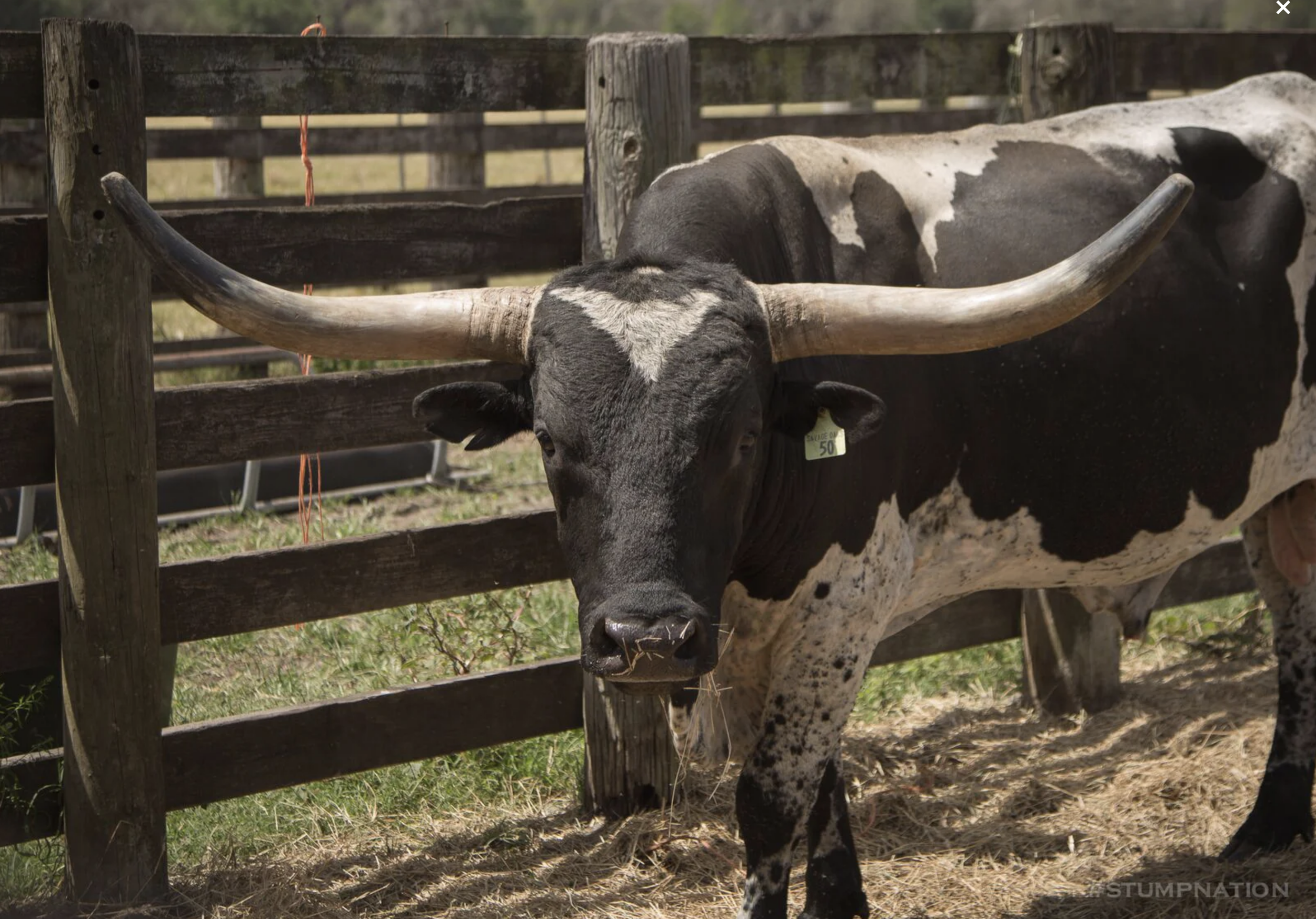
1521
America’s Oldest Ranching Story… It begins just over 500 years ago when the earliest Spanish explorers and seven Andalusia cattle arrived on Florida’s sandy shores. Ponce De Leon was their leader, and the year was 1521. Most people believe these cattle are the first domesticated cattle in the United States. They also believe they are the original ancestors of the hearty scrub cattle we still have in Florida today.
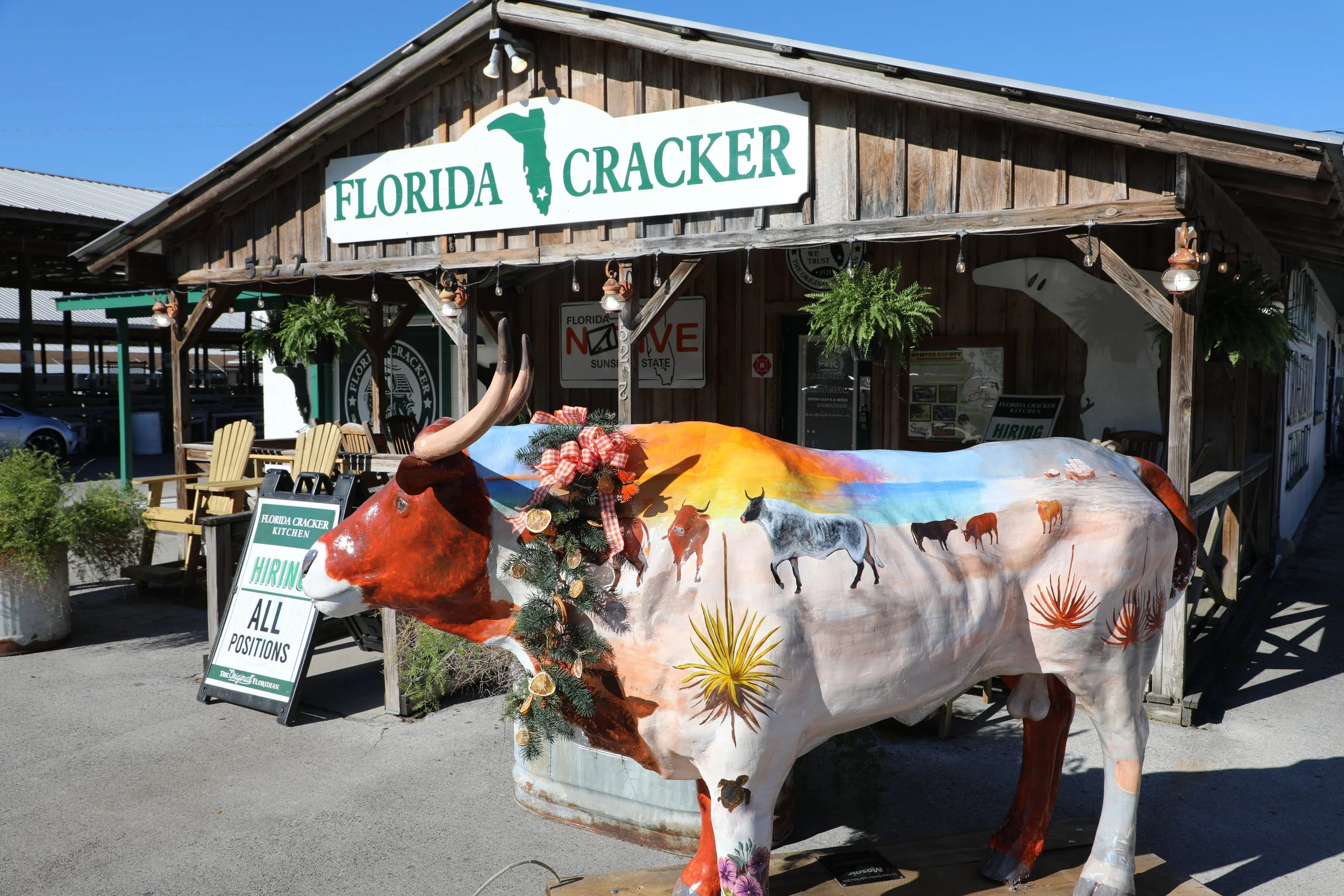
STEW
This Florida Cracker Bull design is ONE OF SEVEN and was inspired by our states multicultural cattleman’s history. Designed and Painted by Deb Herbert of Hearthstone Studio. Both sides feature depictions of Spanish explorers, Seminole natives, African American, and Caucasian “Cow Hunters” as well as many historic locations and wildlife.
Find them at one or several of our Florida Cracker Locations as we move them around from time to time for everyone to enjoy.
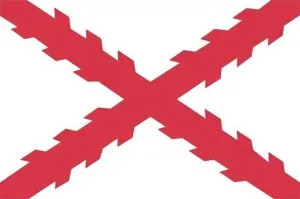
1565
The Burgundian saltire, or Cross of Burgundy, represented Spanish rule in Florida from 1565 to 1763. The X-shaped cross symbolized the rough branches of the trees on which Saint Andrew, the patron saint of Burgundy, was crucified.
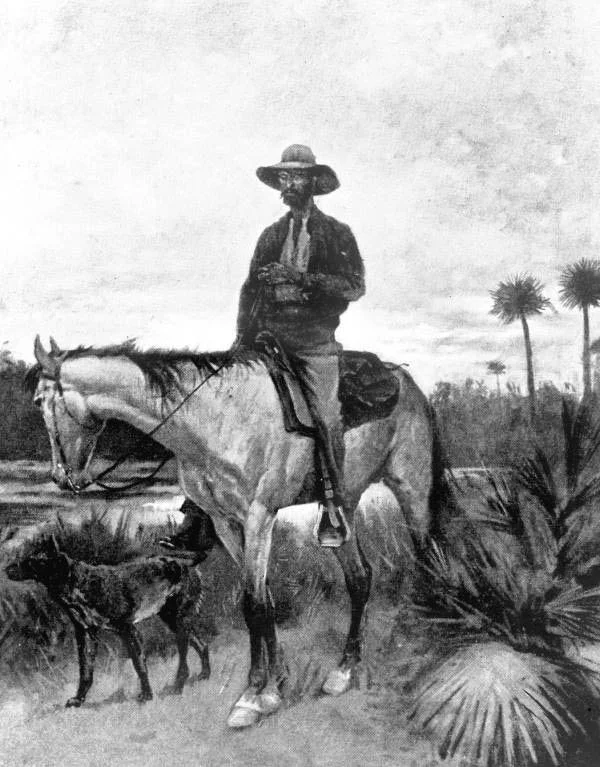
1763
Florida crackers were colonial-era British, American pioneer settlers in what is now the U.S. state of Florida; the term is also applied to their descendants, to the present day, and their subculture among Southerners. The first crackers arrived in 1763 after Spain traded Florida to Great Britain following the latter’s victory over France in the Seven Years’ War, though much of traditional Florida cracker folk culture dates to the 19th century.
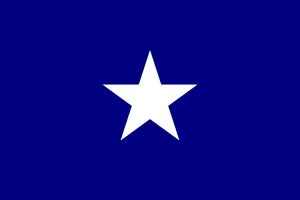
1810
The “Bonnie Blue” flag’s first recorded use (typically with a white star) was in 1810 when it was used to represent the Republic of West Florida, a republic of English-speaking inhabitants in parts of Louisiana east of the Mississippi River who rebelled against the reign of Spanish government and overthrew Spain’s district governor,
1861
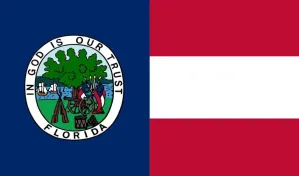
After Florida seceded from the Union in January 1861, a number of unofficial flags flew over the state. The general assembly passed an act directing Governor Madison S. Perry to adopt “an appropriate device for a State flag which shall be distinctive in character.” Six months later the governor had the secretary of state record the description of Florida's first official flag.
1900
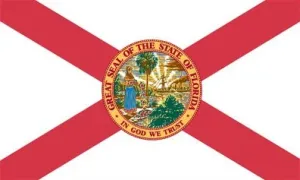
The current design of Florida’s state flag was adopted in 1900. In that year, Florida voters ratified a constitutional amendment based on an 1899 joint resolution of the state legislature to add diagonal red bars, in the form of a St. Andrew’s cross, to the flag.
FLORIDA
CRACKER
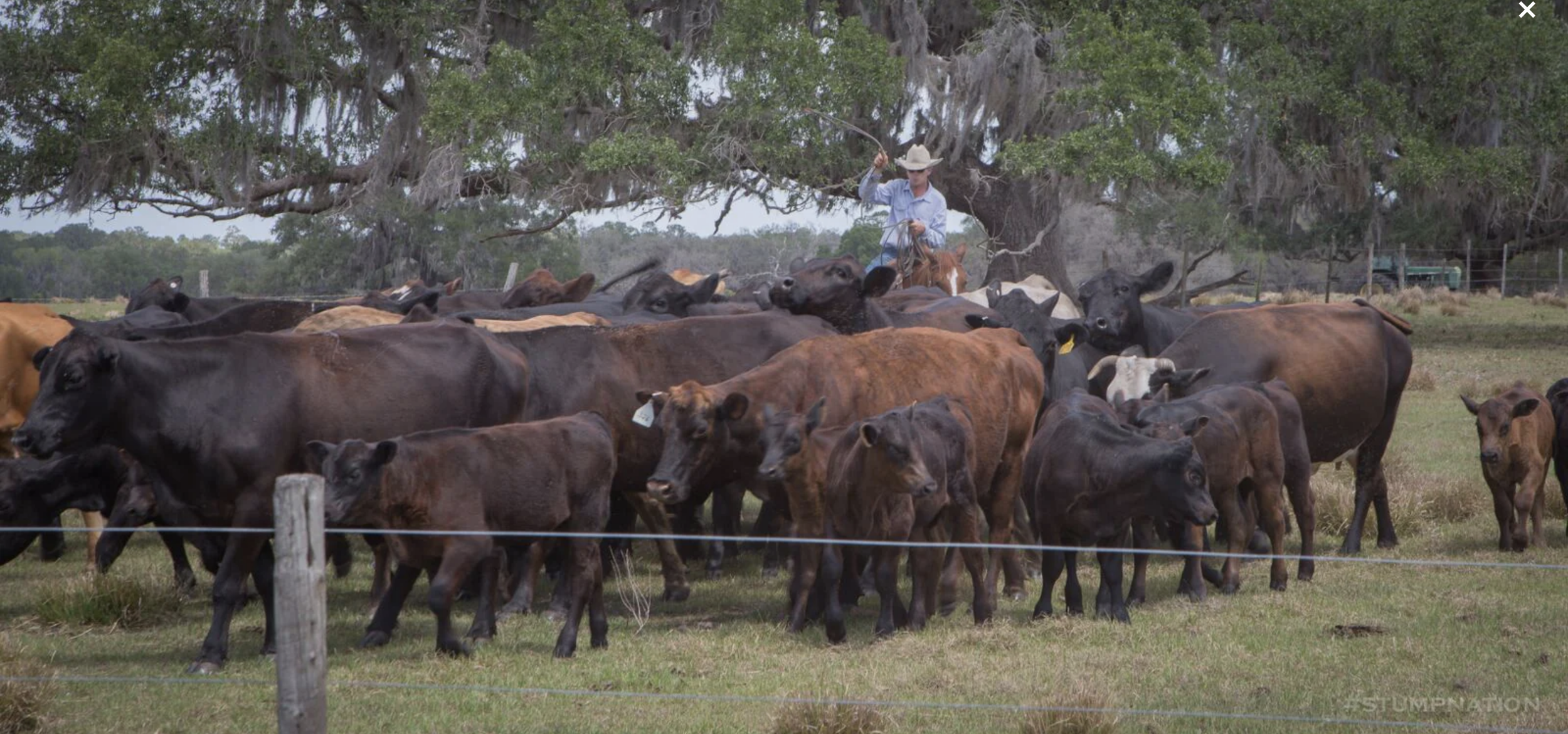
The term generally describes a class of early pioneers, mainly small farmers and cattle ranchers. Cracker cowboys are sometimes called cowhunters. When it was time for branding or driving the cattle to market, the cracker cowboys would search the swamps and round up all of the cows with the aid of whips and cattle dogs. Florida Crackers are also distinguishable by the style of their frontier homes, musical traditions, and foodways.
2001
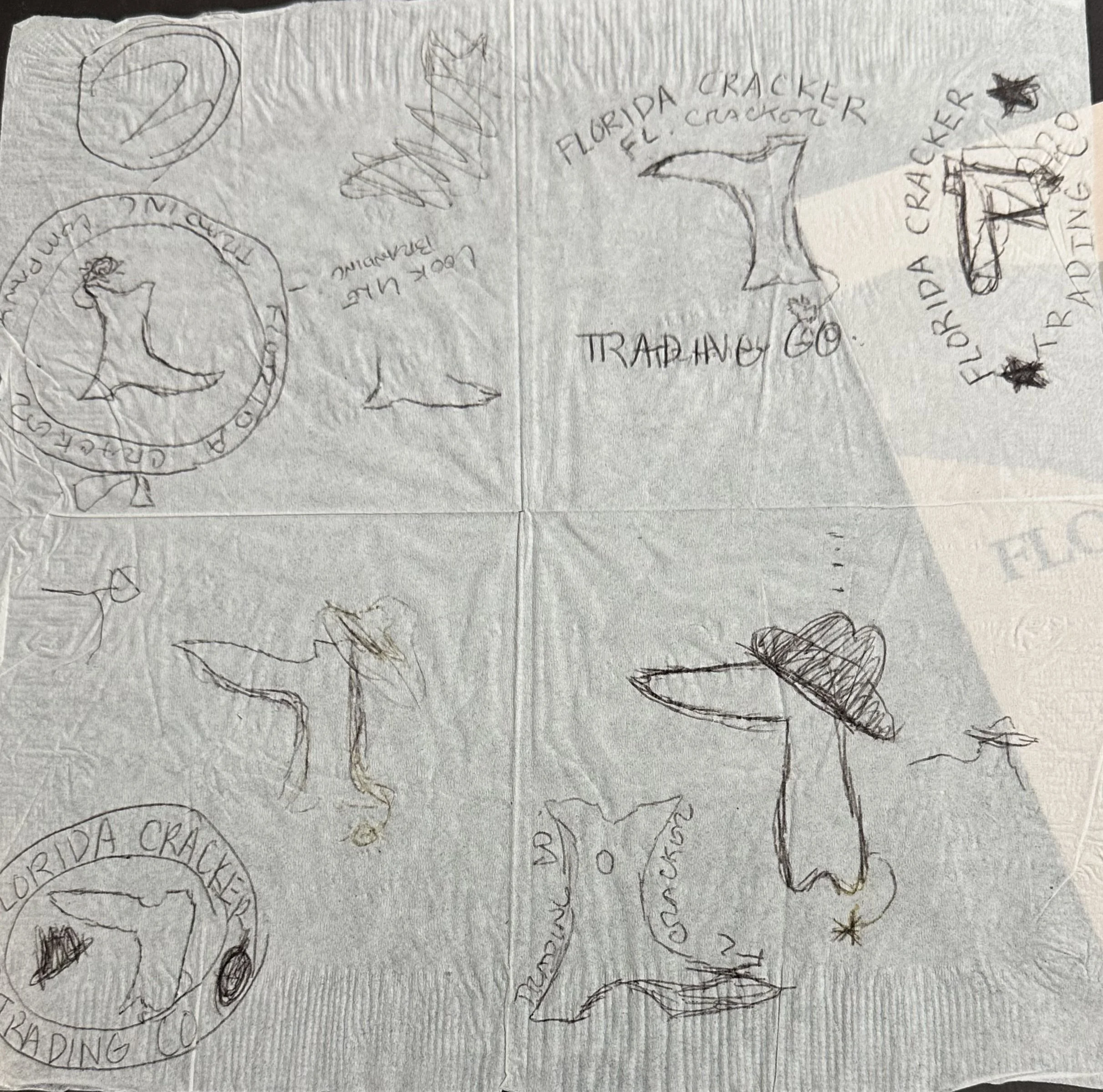
What started with a drink, a drawing, and an idea on a bar napkin… The iconic “Upsidedown Boot” representing our historic home state of Florida and our country roots simultaneously garnered much attention as soon as we turned it loose.
You can now find it across the globe representing those who support our way of life and Southern Hospitality.
2012
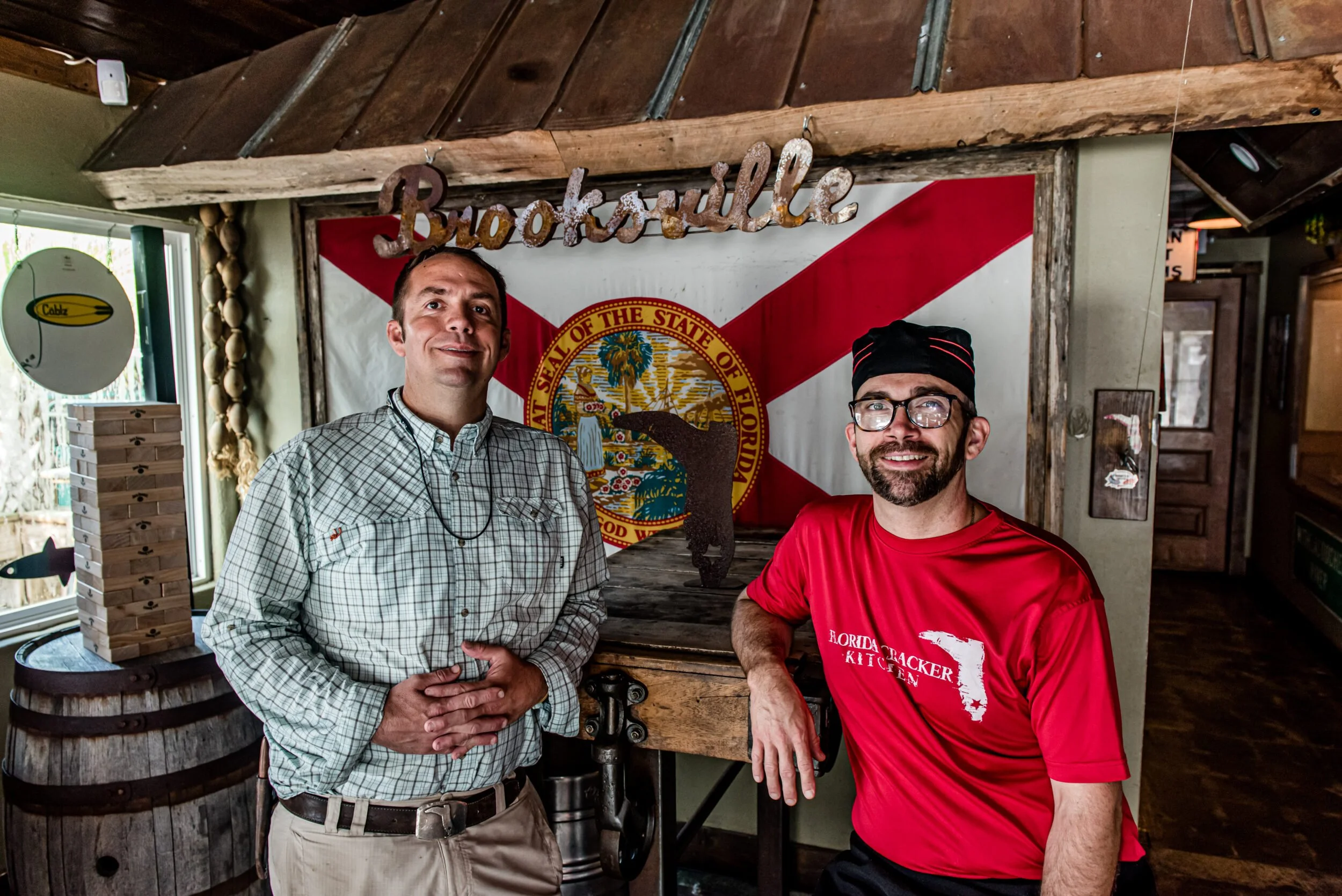
Dreamt up in 2001 and born in 2012 by brothers Ethan and Blair Hensley, The Florida Cracker Brand came to life as more than just their way of living. Opening up the Florida Cracker Kitchen and the Florida Cracker Trading Company in Brooksville, Florida.
Follow our journey through our story and the products that we offer and enjoy the ride. A wise man once told me it’s not what you have in life, it’s what you have done in life.